
For a brand, starting with content is instinctive. Open social media,…
Plutchik’s Flower: when emotions speak for brands
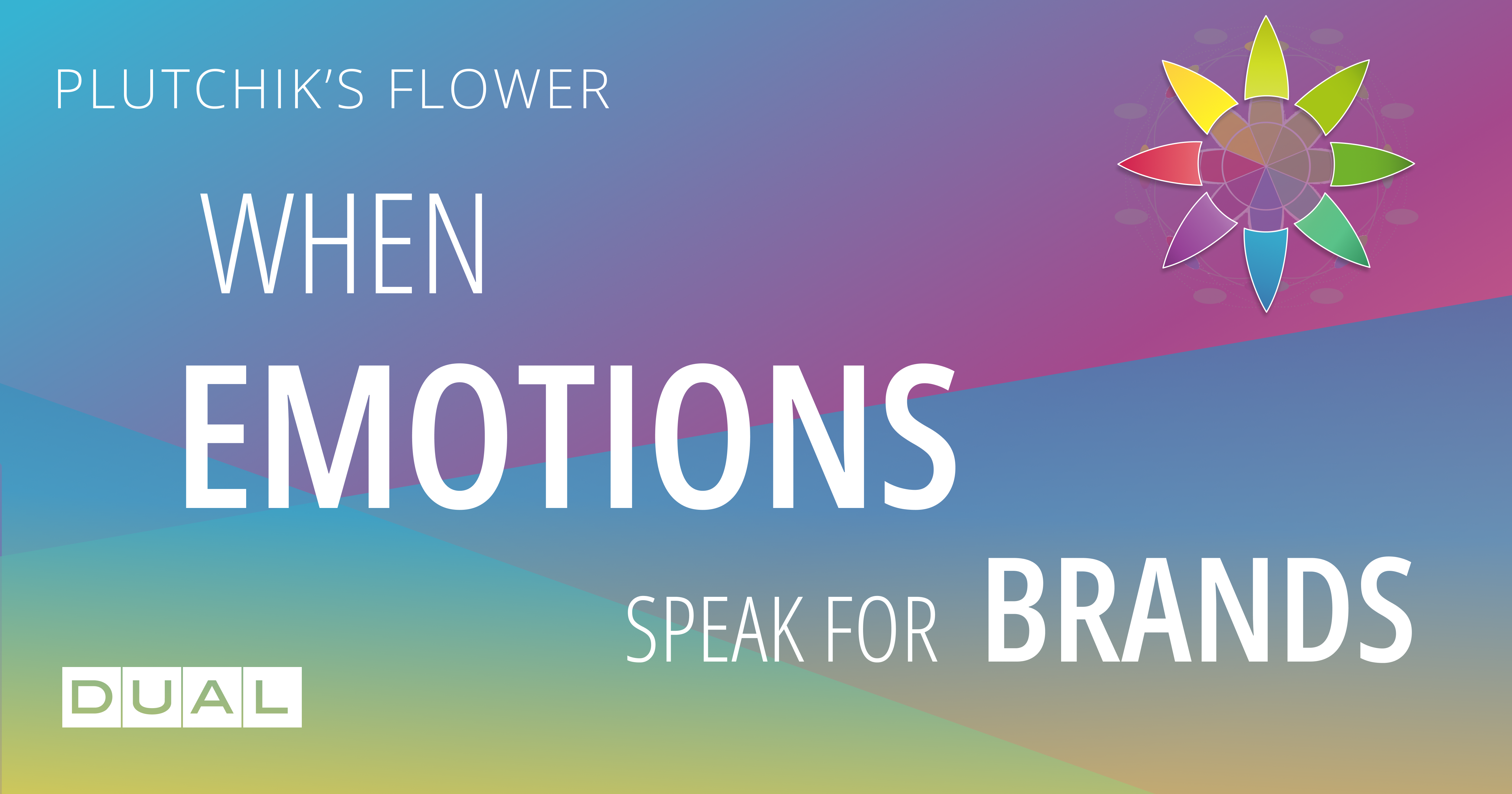
We never buy just a product or a service: we choose the emotion it makes us feel.
This is the logic that drives our decisions, often more than reason. Plutchik’s Flower helps us understand why, showing how emotions are the real engine behind human choices and, as a result, the relationships between people and brands.
What is Plutchik’s Flower
Psychologist Robert Plutchik developed a model that represents the eight primary emotions – joy, trust, fear, surprise, sadness, disgust, anger and anticipation – as the petals of a flower.
Each emotion can have different intensities: from the mildest at the edges to the strongest towards the centre. Emotions also combine with one another, generating more complex emotional states. For example, joy + trust = love, while anger + disgust = contempt.
Plutchik’s Flower is not just a visual representation, but a truly dynamic map of emotions that helps us understand how they intertwine, shift and guide our everyday actions.
From the heart to marketing
Applying this model to the world of brands means turning it into a strategic map for communication and identity.
- Brand identity: a brand is not just a logo or a payoff. It is the ability to consistently and recognisably evoke specific emotions – trust, joy, surprise.
- Customer journey: every interaction with a brand is an opportunity to activate an emotion. From the curiosity of those who discover a product, to the trust built over time, all the way to the enthusiasm for a positive experience.
- Storytelling: stories are engaging because they speak to emotions. Plutchik’s Flower becomes a tool for designing narratives that touch specific emotional chords.
- Differentiation: in increasingly crowded markets, what truly stands out is not the technical data sheet, but the emotional experience a brand is able to create.
A flower that connects
Plutchik’s Flower reminds us that emotions are people’s universal language. In psychology, they help us get to know ourselves better; in marketing, they allow brands to build authentic, long‑lasting relationships.
A brand that knows which emotions it wants to evoke – and does so consistently – does more than offer a product: it creates experiences that leave a lasting mark.
Altre News

This Post Has 0 Comments